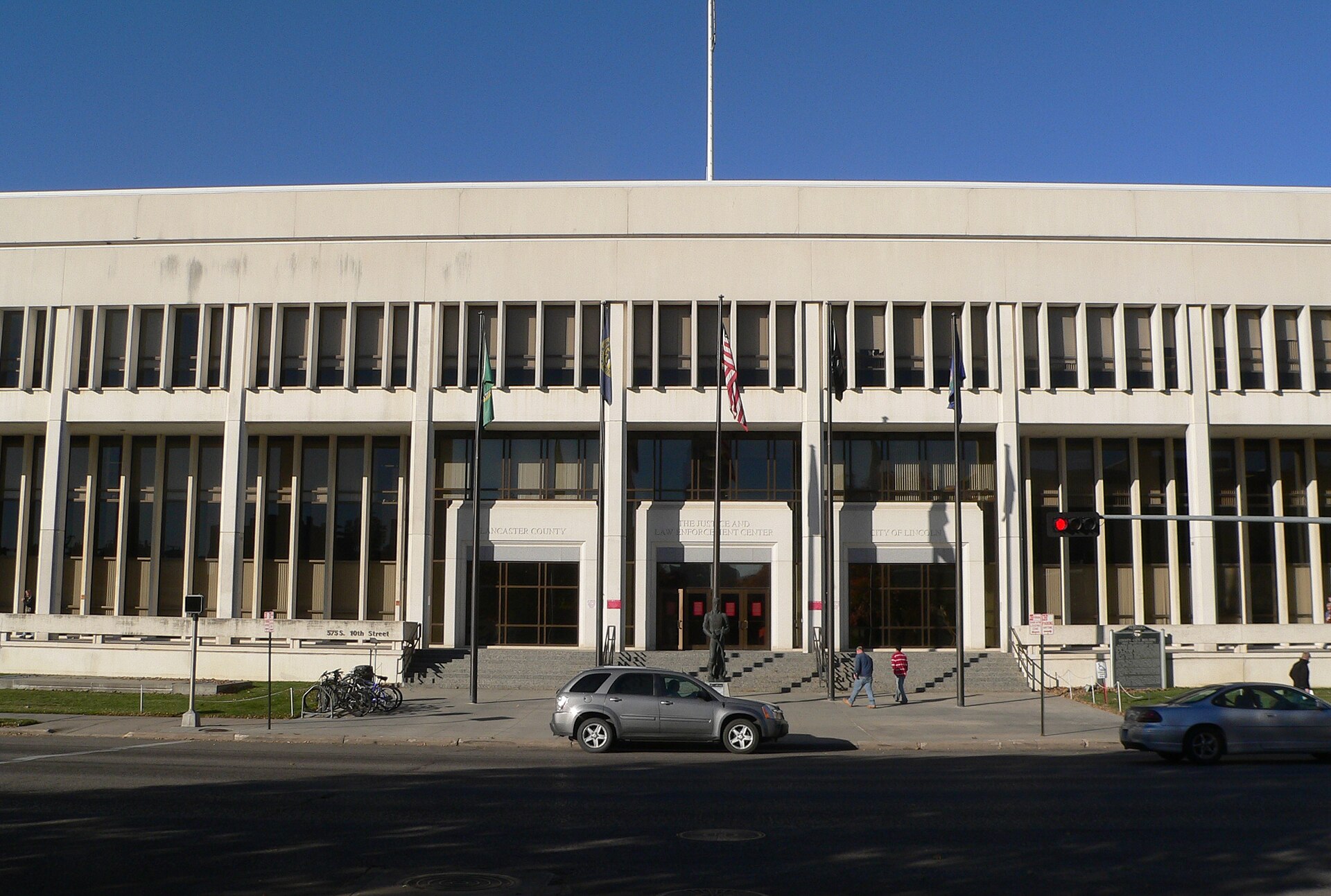
The Yes-or-No Ballot: Judicial Retention and Nebraska's Quiet Elections
Nebraska judges don't run against anyone — they stand for retention, yes or no. Add regents, school boards and county offices, and the bottom of Tuesday's ballot is its own election.
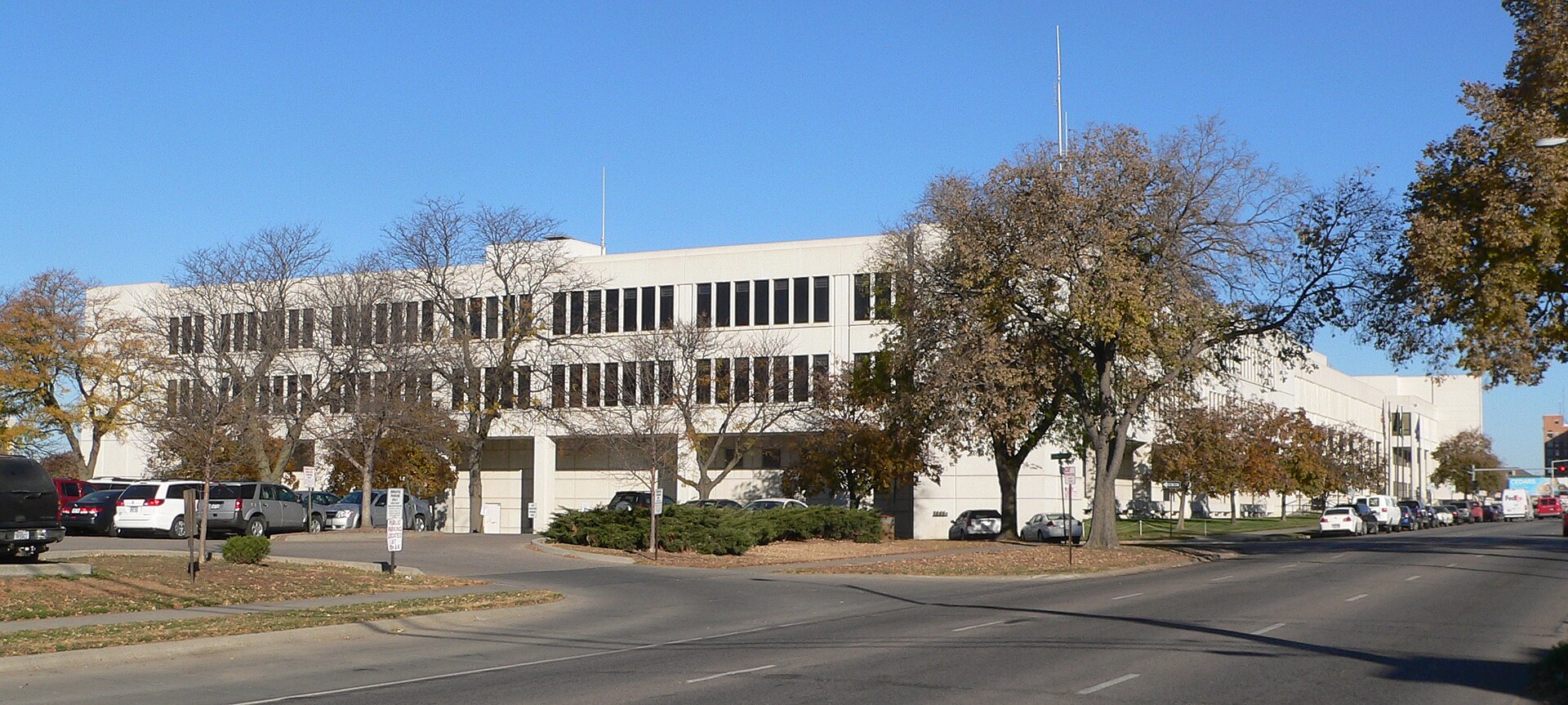
The least understood lines on Nebraska's ballot may be the most distinctive: judicial retention. Under Nebraska's merit selection system, judges are appointed through a nominating commission process and then stand before voters periodically on a simple question — shall this judge be retained, yes or no? No opponent, no campaign in the ordinary sense; a majority of no votes removes the judge and reopens the appointment process.
Retention elections put a research burden on voters that the Nebraska State Bar Association tries to carry: its judicial performance poll of attorneys rates judges on legal ability, impartiality and temperament, and publishes the results each cycle — the closest thing the system has to a report card, and the document courthouse watchers consider required reading before voting the retention lines.
Beside the judges stand the ballot's other nonpartisan institutions: the University of Nebraska Board of Regents, which governs the university system and its budget; the State Board of Education; the Papio-Missouri and Lower Platte South Natural Resources Districts' boards, which manage water and flood control with taxing authority; and the public power districts that make Nebraska the only all-public-power state in America — their boards are elected too.
Lancaster County's own offices and the Lincoln-area school boards complete the picture in their cycles, along with bond issues and local questions that vary by address.
The common thread is Nebraska's civic architecture: power is deliberately fragmented among small elected boards and retention-checked judges, on the theory that government closest to the voter should answer most often. The fragmentation only works if voters finish the ballot — retention and board races routinely draw a fraction of the top-of-ticket vote, and are decided by the Nebraskans who do the homework.
The Secretary of State's VoterCheck provides sample ballots for every precinct. Tuesday's homework is longer than usual. Nebraska built it that way on purpose.