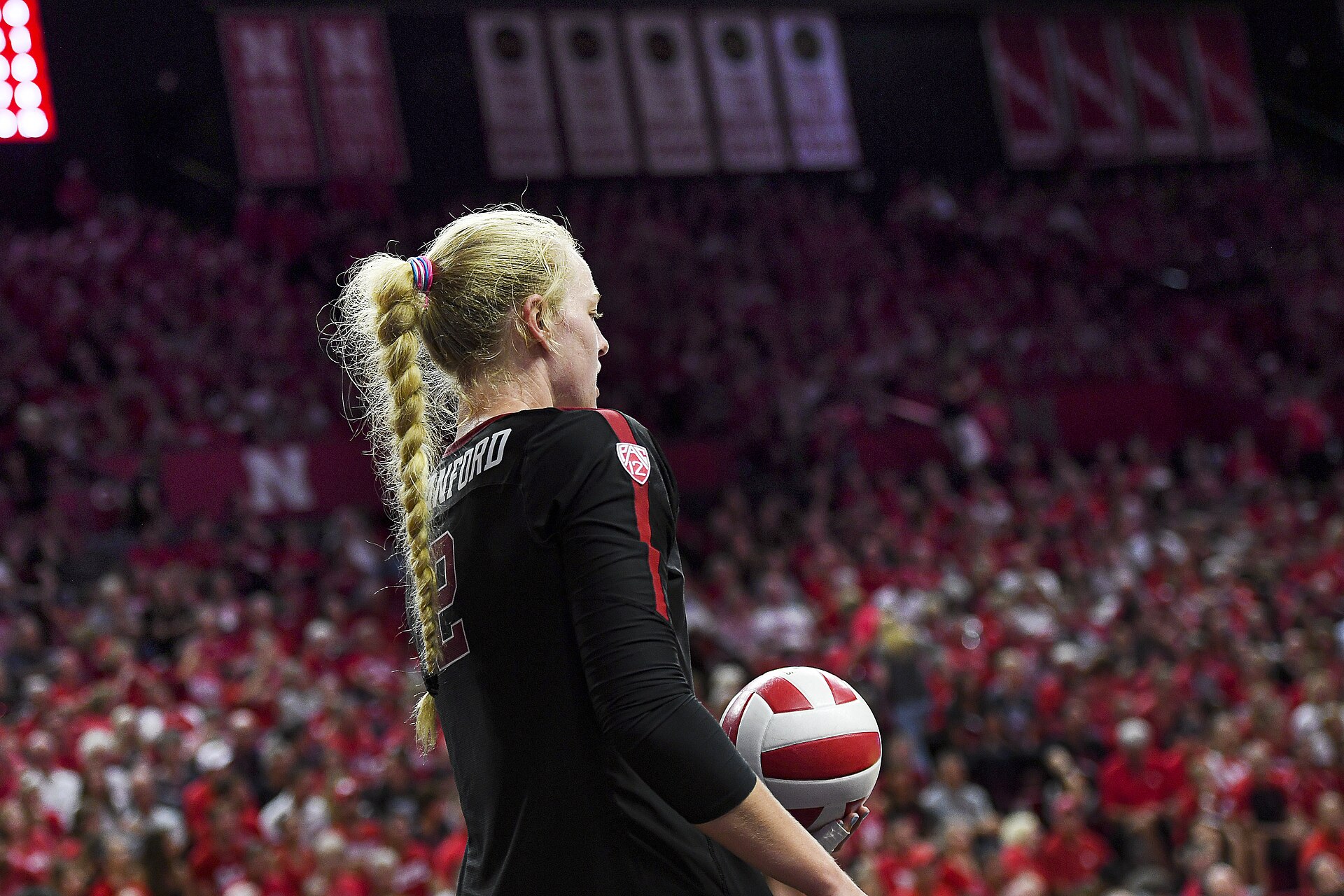
November at Memorial Stadium: The Huskers' Defining Stretch
The Sea of Red has sold out every home game since 1962. November's home dates — cold, loud, and heavy with bowl and rivalry stakes — are the streak's sternest test and its best theater.
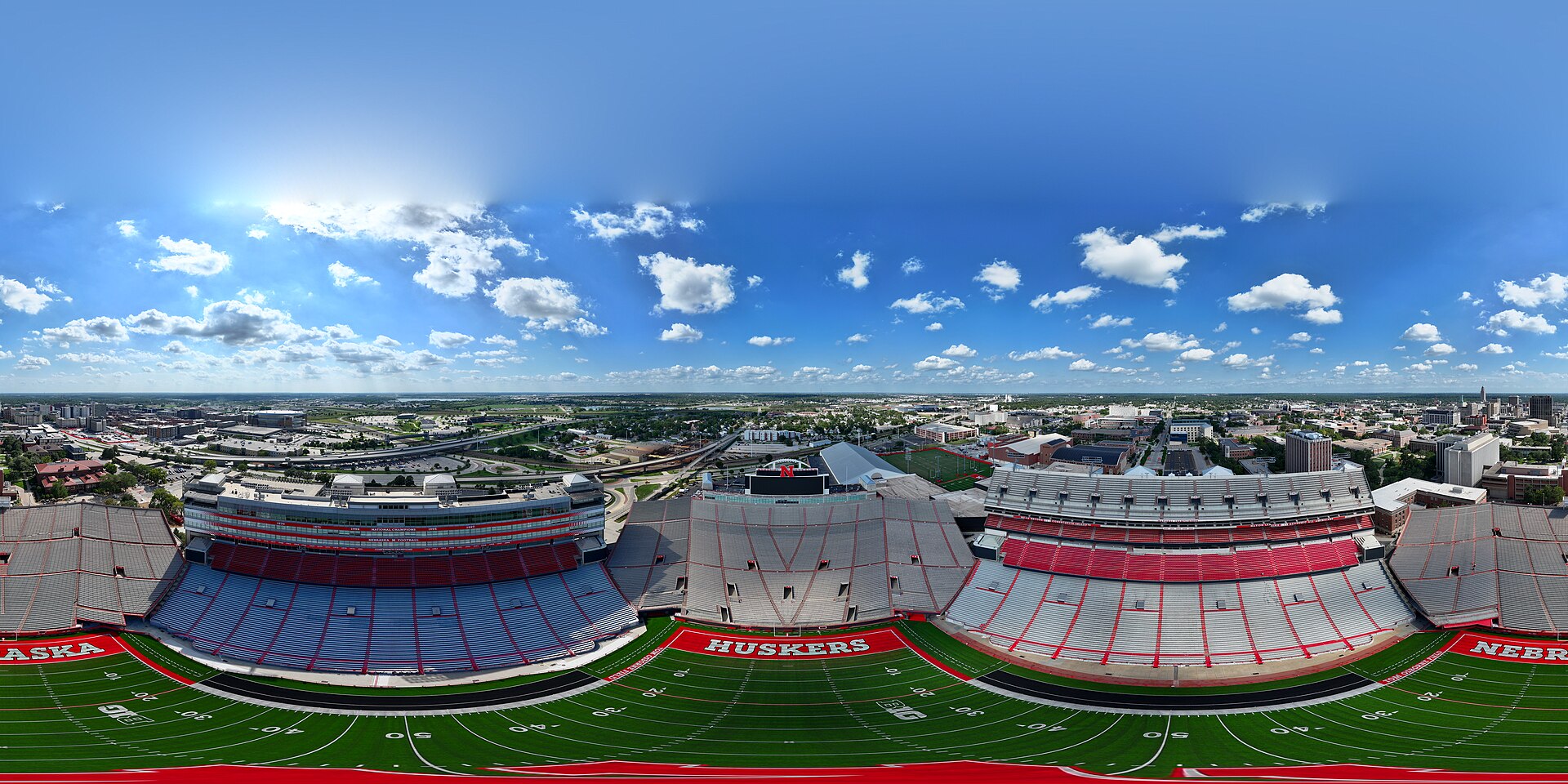
Memorial Stadium's sellout streak — every home game since November 3, 1962, a run beyond 400 games and the longest in college football — is the statistic that explains Nebraska. On Saturday, the stadium becomes the state's third-largest city, and November Saturdays are when the ritual runs deepest: cold air, low sun, and the Big Ten schedule's heaviest weeks.
Nebraska football's modern story is a giant's long rebuilding: five national championships between 1970 and 1997 set a standard the program has chased through coaching changes and conference realignment into the Big Ten. The fan base's response to the wilderness years has been the story — the streak endured, the stadium stayed full, and the state's patience became its own form of pressure.
November's slate carries the season's verdicts: conference position, bowl destination, and the Black Friday rivalry game against Iowa that now closes Nebraska's regular season — a border rivalry that has grown into the calendar's fixed point of grievance and pride.
The stadium experience is liturgy by now: the Tunnel Walk, the band's Pregame Spectacular, the balloons after the first Husker touchdown — released by the thousands into the prairie sky — and the visiting fans' testimonies, collected for decades, that Nebraska's crowd applauds the opponent off the field at game's end.
Lincoln's economy feels every home Saturday: hotels full from Omaha to Grand Island, the Haymarket at capacity, and a statewide migration that empties small towns into the stadium's bowl.
The streak will pass 64 years this month. Programs rise and fall; Nebraska's contribution to the sport is the demonstration that showing up, in full, forever, is itself a kind of greatness. November is when it shows.