
November on the Plains: The Wind Finds Its Winter Voice
Lincoln's November is a negotiation between the last mild days and the first true Arctic fronts — average highs falling through the 50s, snow possible, wind guaranteed.
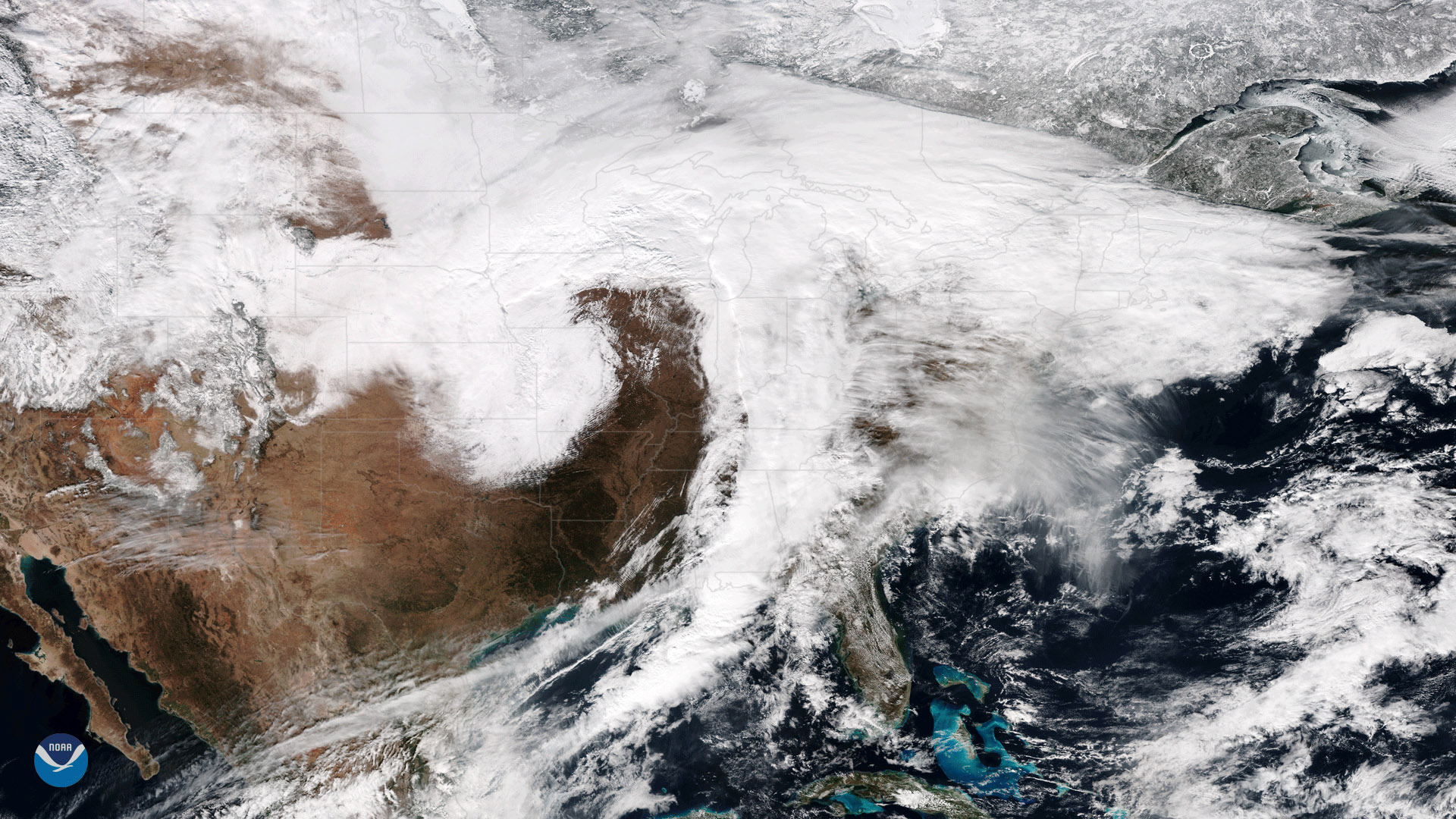
Nebraska's November weather is a negotiation, and the wind does the talking. Lincoln's average high slides from around 60 at the month's start to the mid-40s by its end; overnight lows settle below freezing; and the season's first measurable snow becomes a live possibility — Lincoln averages its first inch of snow around late November, with flurries possible any time a strong front passes.
The pattern is the plains classic: mild, windy days ahead of cold fronts, a sharp temperature crash behind them, and northwest winds that make 35 degrees feel like a personal insult. The state's flatness is the forecast — nothing between Lincoln and the Arctic Circle interrupts the air but, as the old joke goes, a barbed-wire fence.
For farmers, November closes the books: harvest is wrapped or nearly so in a normal year, fall tillage and anhydrous work finish before freeze-up, cattle move to winter arrangements, and the wheat planted in fall establishes before dormancy. The state's soil moisture at freeze-up is the number agronomists watch into winter.
Homeowners get the standard plains checklist, which in Nebraska is not optional: disconnect hoses, protect exposed pipes, service furnaces, and prepare for the freeze-thaw cycle that will test every foundation and windshield until March.
Drivers face the month's signature hazards — black ice on bridges during the first cold rains, blowing dust or snow on the interstates reducing visibility, and deer movement at its annual peak during the rut, making November Nebraska's most dangerous month for vehicle-deer collisions on rural roads.
The National Weather Service office in Hastings covers Lancaster County's forecasts. Its November message is the plains in one line: the season is changing; keep up with it, because it will not wait for you.