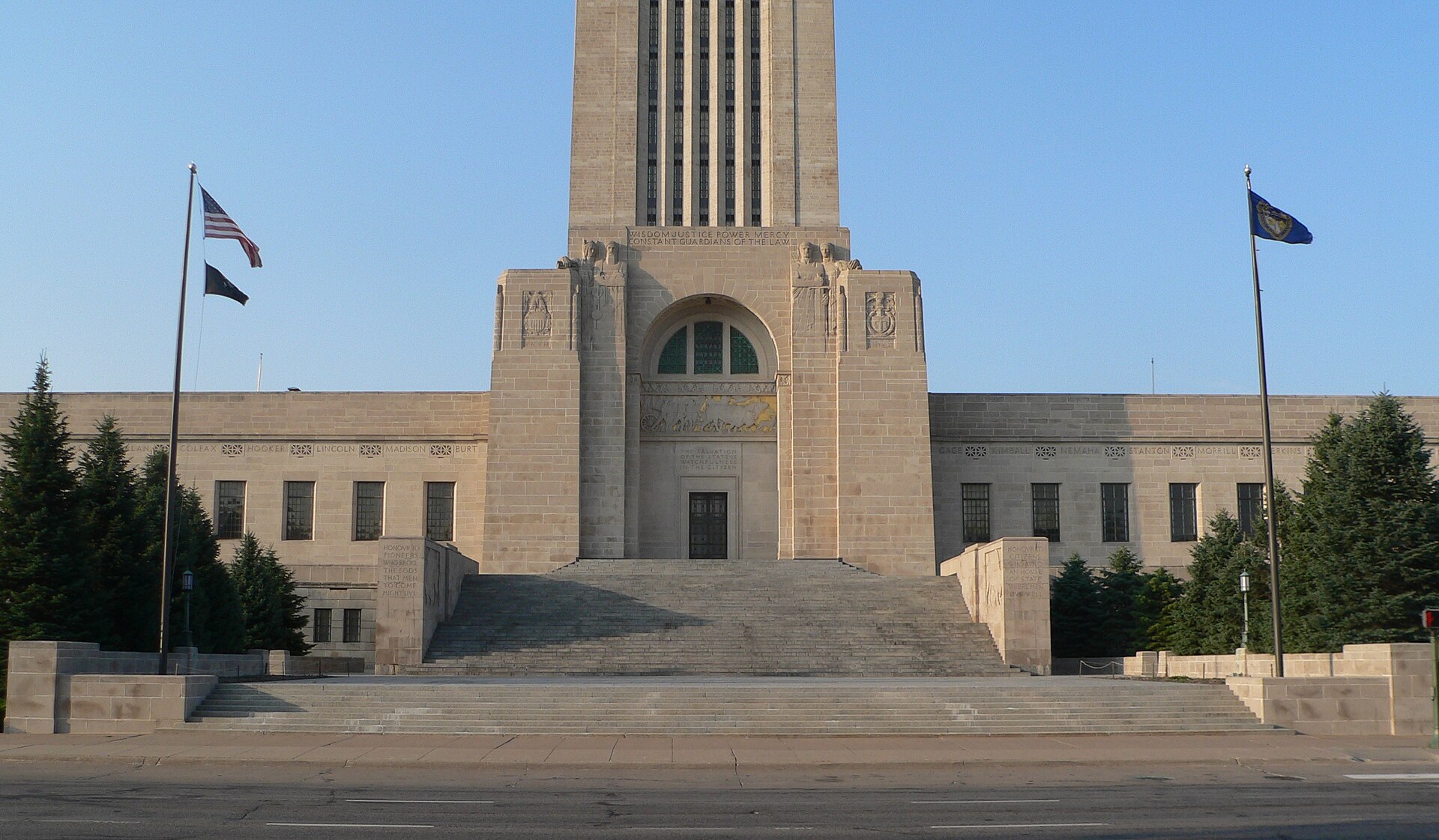
The Unicameral: Nebraska's One-House, Nonpartisan Experiment Turns 89
Forty-nine state senators, no parties on the ballot, one chamber. Nebraska's legislature remains the nation's only one of its kind — and Tuesday decides half of it.
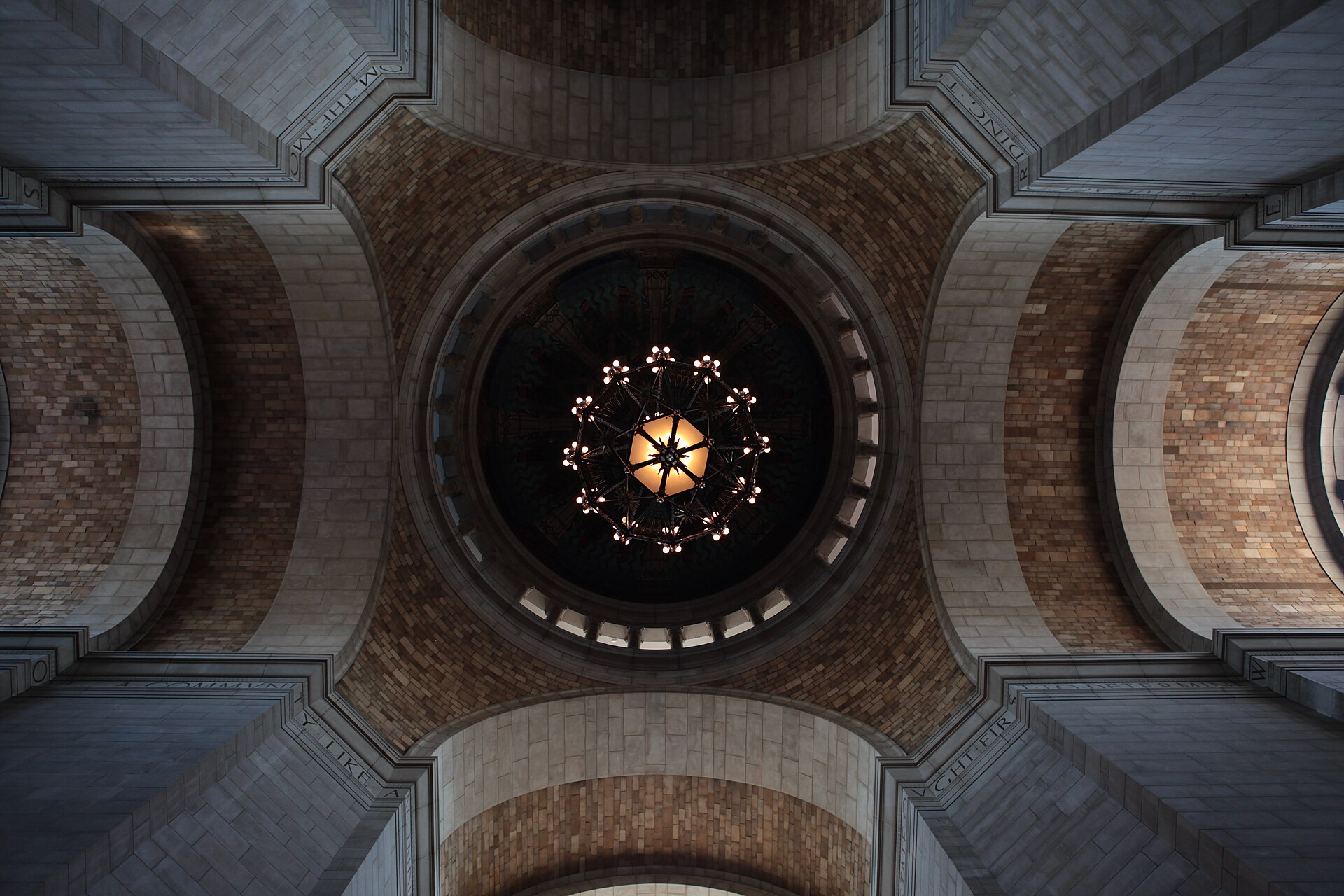
Nebraska does its legislature differently, and has since 1937: the Unicameral is the only single-house state legislature in America, and its 49 members are elected without party labels on the ballot — a system voters adopted in 1934 on the argument, championed by U.S. Sen. George Norris, that two houses and party machinery served politicians more than citizens.
The mechanics matter on Tuesday: voters elect roughly half the Unicameral's seats in each cycle to staggered four-year terms. The top two finishers in the spring primary advanced to this fall's ballot regardless of party, and the November winner takes the seat. Senators represent districts of about 40,000 people — small enough that most Nebraskans can reach their senator, and do.
Nonpartisan does not mean apolitical: the Legislature's factions are well known, its leadership elections are real contests, and its filibuster — requiring 33 votes to close debate — gives determined minorities leverage that shapes every session's endgame.
The Unicameral's January session will take up the state's perennial agenda: property tax relief, the school funding formula, water and agriculture policy, and the budget that a small-state government writes in the open — Nebraska's legislature is famously accessible, its hearings streamed, its one-house design meaning every bill's fate is decided in a single chamber's debate.
For Lincoln, the Legislature is also a neighbor: the Capitol is downtown, senators are constituents, and the session's rhythms — January to spring — structure the capital city's year.
Tuesday's legislative races will be decided by voters who mostly know the candidates personally or not at all. That intimacy is the Norris design working as intended: in Nebraska, the legislature is small enough to be yours.