The University of the State: UNL and Lincoln's Shared Life
Chartered in 1869, the University of Nebraska–Lincoln educates about 24,000 students and functions as the city's second downtown — research engine, cultural center, and Saturday religion.
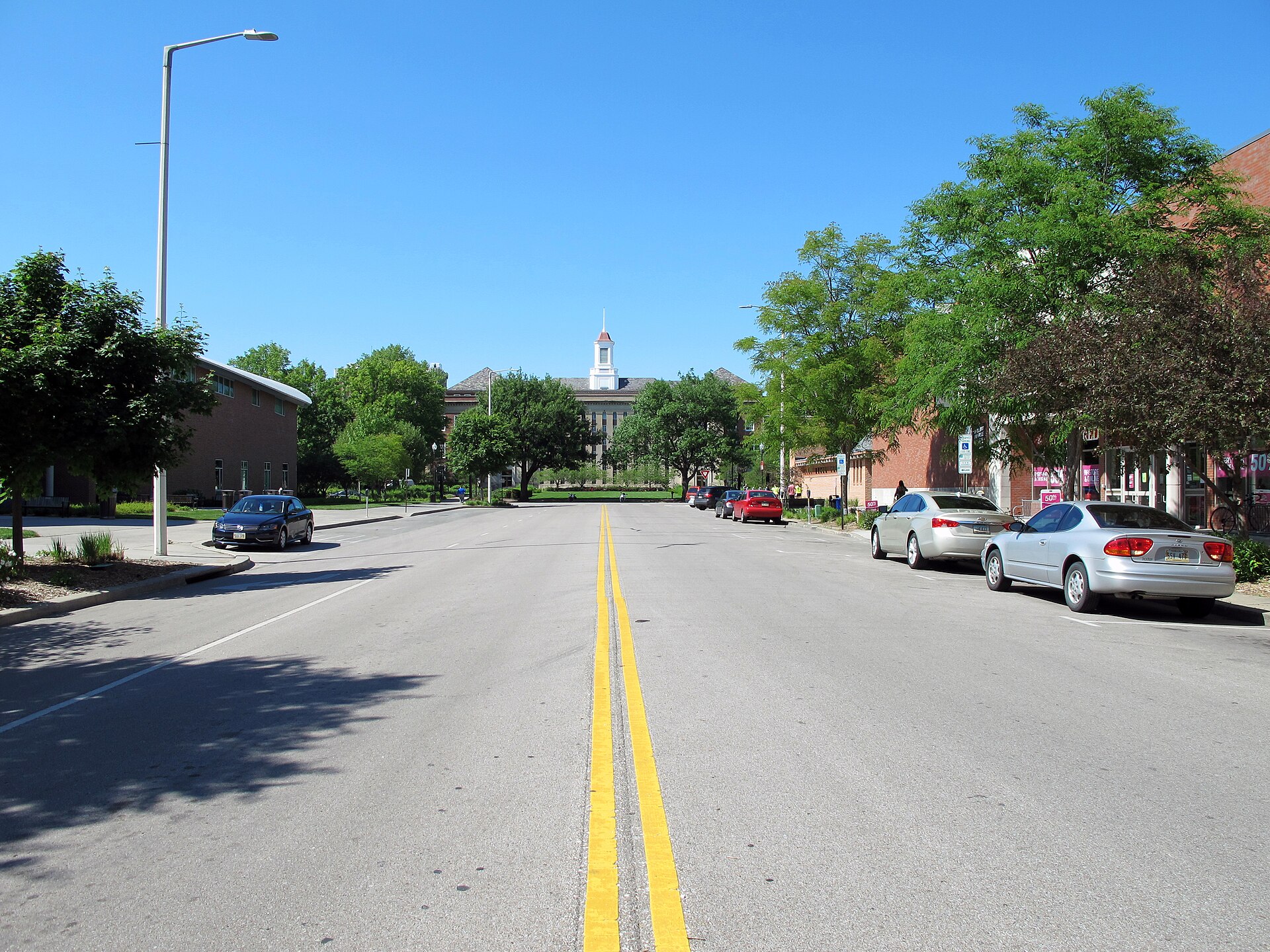
Lincoln and its university were founded together, and it shows. The University of Nebraska–Lincoln, chartered in 1869 two years after statehood, enrolls roughly 24,000 students across its City Campus — adjoining downtown — and East Campus, home to the agricultural and natural resources programs that express the land-grant mission in its original form.
The university is the city's economy in academic dress: a Big Ten research institution whose institutes study water, agriculture, food science, materials and public policy for a state that runs on all five; a health and extension network reaching every Nebraska county; and an arts calendar — the Lied Center, the Sheldon Museum of Art, the Mary Riepma Ross Media Arts Center — that gives Lincoln a cultural density far beyond its size.
Innovation Campus, the university's research park rising on the old state fairgrounds, is the growth chapter: public-private labs in food innovation, water and entrepreneurship, built where the State Fair once drew the whole state to Lincoln each year.
November on campus has its own liturgy: the fall semester's final push, basketball opening at Pinnacle Bank Arena, the marching band's season closing, and the first snow conversations at the Dairy Store — the campus institution on East Campus famous for ice cream made from the university's own dairy herd's output in its teaching program.
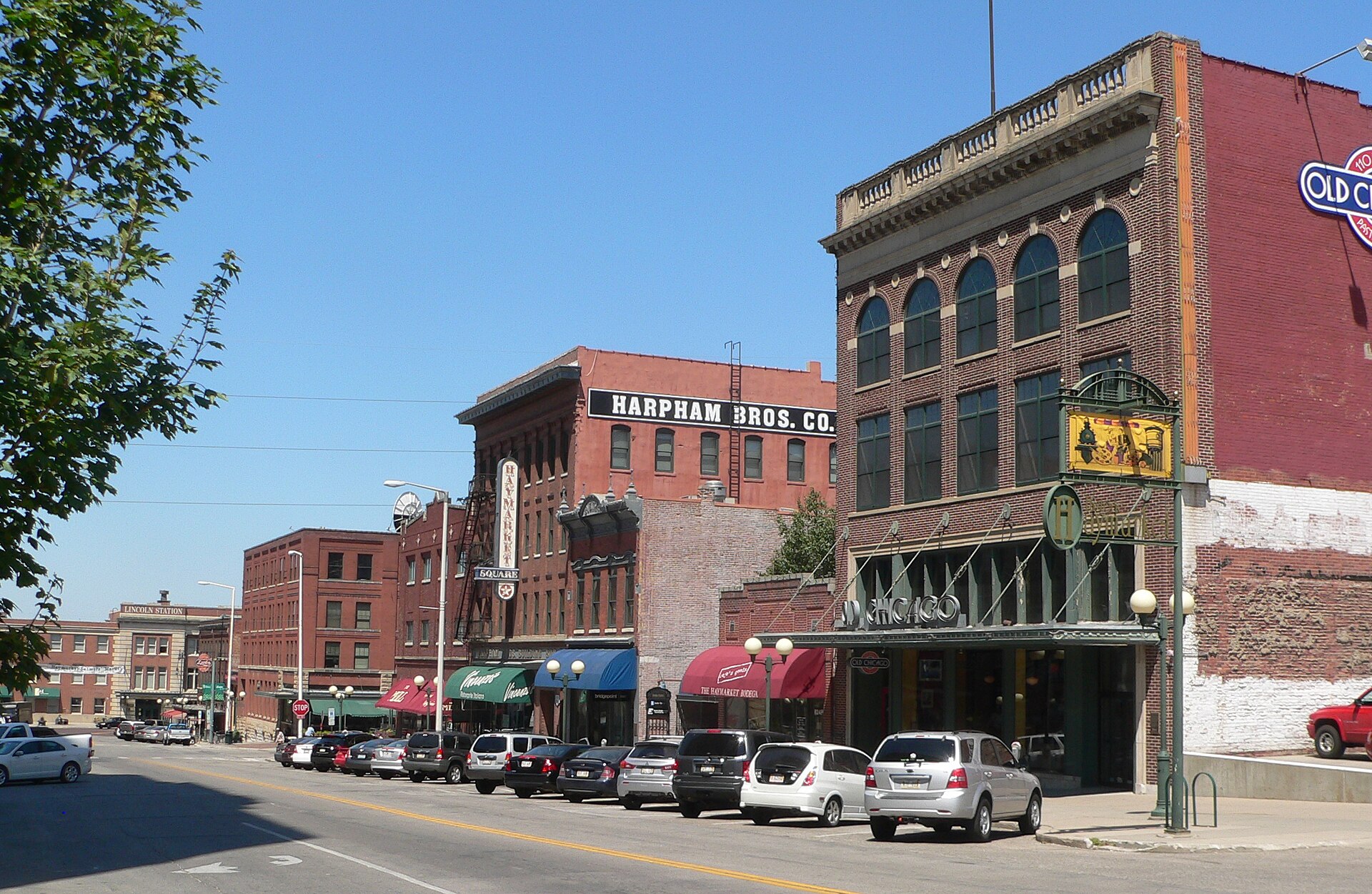
The town-gown relationship here is less a negotiation than a merger: city and university plan corridors together, students staff the Haymarket's businesses, and alumni fill the state's professions.
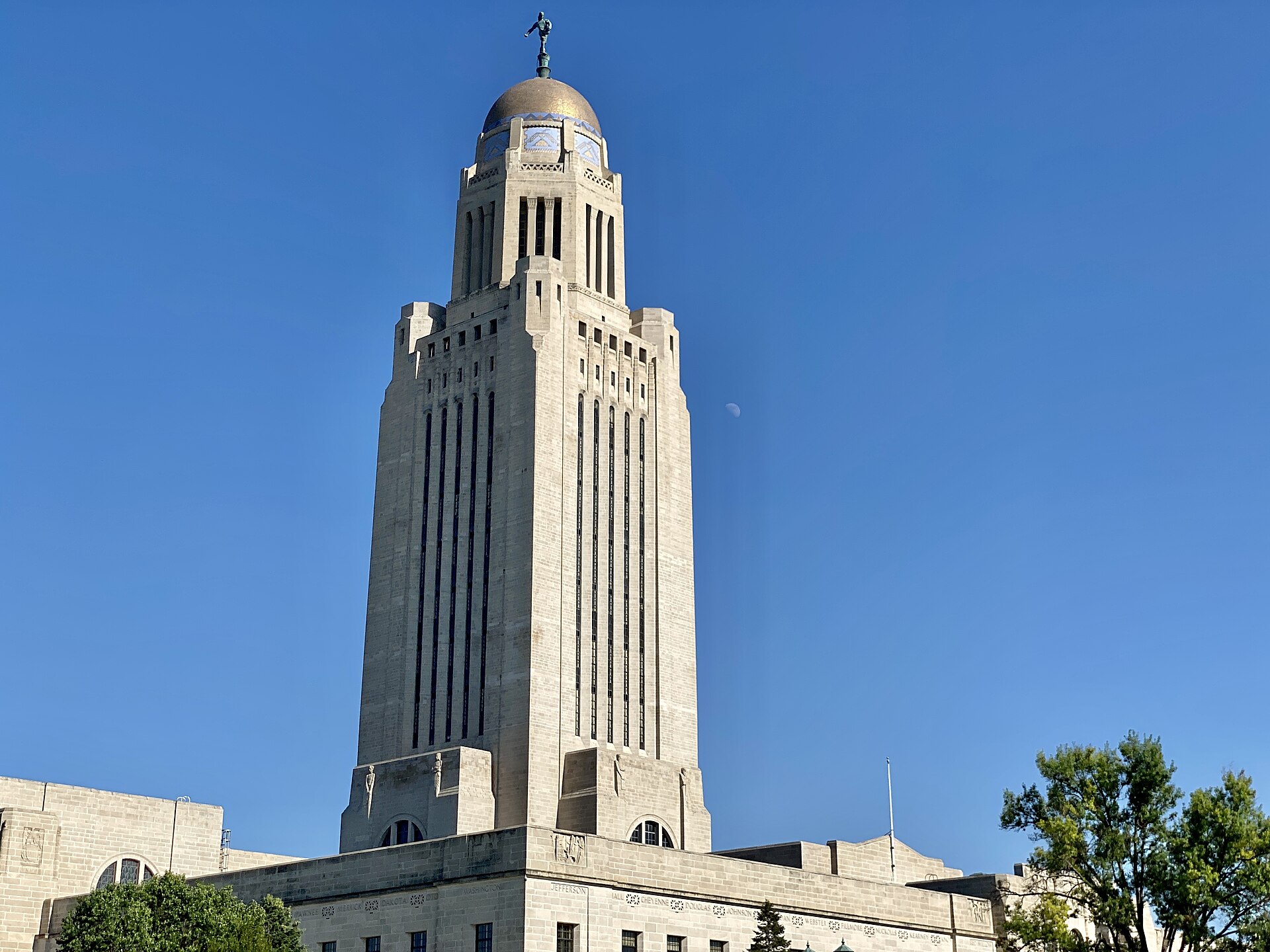
Other cities have universities. Lincoln is one. The distinction is visible from any street in town: the tower of the Capitol on one end, Memorial Stadium on the other, and a shared city in between.